How to Set Independent Trainer Pricing With Confidence
Understanding the Landscape of Independent Trainer Pricing
Setting rates as an independent personal trainer is one of the most consequential decisions you will make. It directly affects how many clients you attract, how long they stay, and whether your business remains sustainable. Yet many trainers rely on guesswork or copy what they see on social media. A more reliable approach involves understanding industry benchmarks, what clients actually value, and how your own credentials and services fit into the broader market.
The term independent trainer pricing covers a lot of ground. It includes the hourly rate you charge for one-on-one sessions, the structure of session packages, fees for small group training, and rates for online coaching. It also touches on how you bundle services, what your cancellation policy looks like, and whether you use introductory offers to bring new clients in. Each of these elements sends a signal about your value proposition and your market positioning.
For trainers who have earned credentials from respected certification bodies such as the National Academy of Sports Medicine or the American Council on Exercise, those certifications can support a higher rate. They demonstrate a level of knowledge and professionalism that clients are often willing to pay for. However, the certification alone does not determine your price. You also need to consider local demand, your experience, and the specific needs of the people you train.
Why a Pricing Survey Can Be Your Best Starting Point
One of the most practical ways to get a feel for realistic rates is to look at a pricing survey that gathers data from a broad group of trainers. When you see what other independent professionals charge in similar markets, you gain a reference point. That reference point helps you avoid pricing yourself so low that clients question your quality, or so high that you price yourself out of reach for your ideal client base.
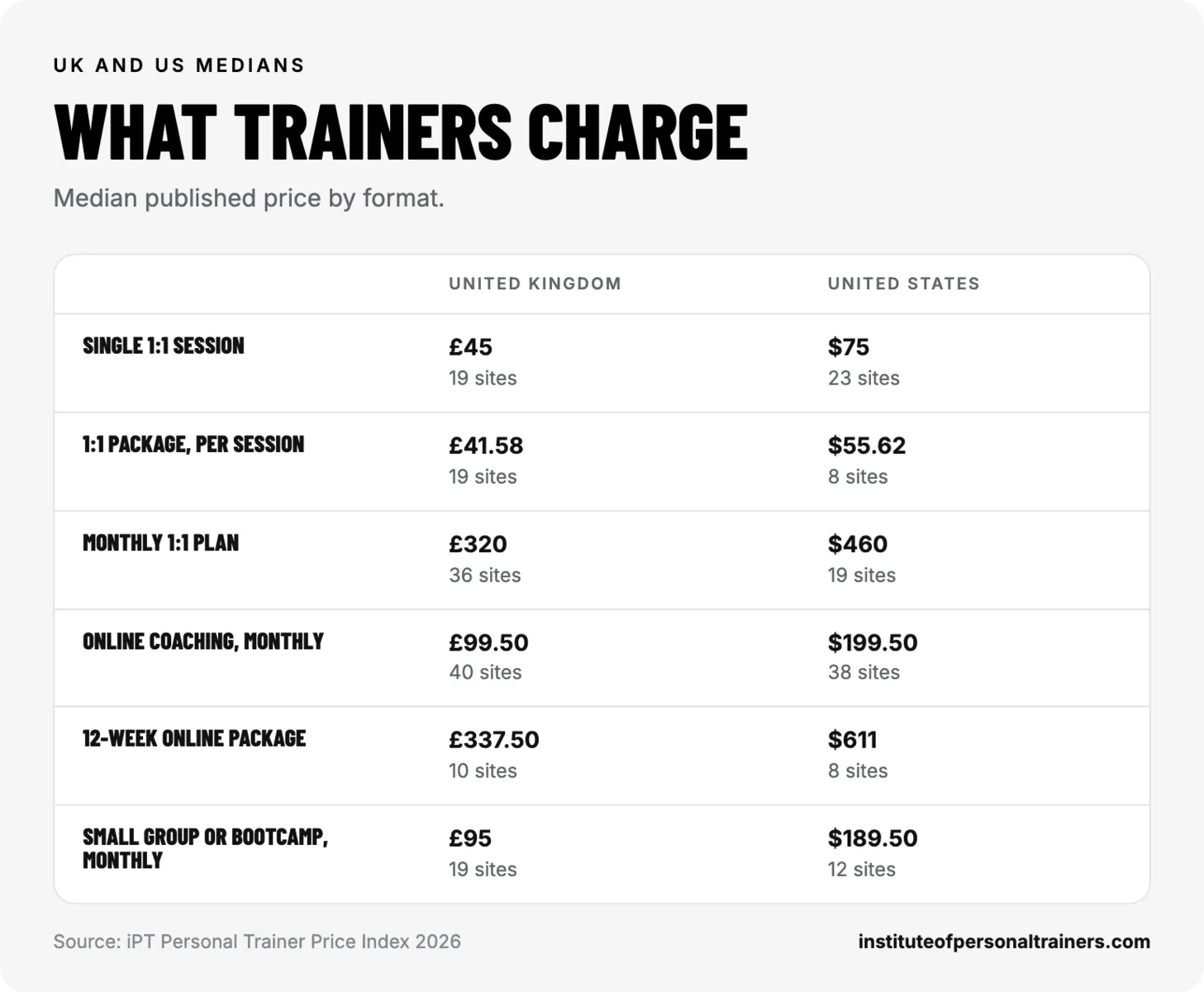
A survey of 302 trainers, for example, can reveal common patterns in pricing tiers. You might find that trainers with three to five years of experience cluster around one range, while those with specialized skills or advanced certifications command higher rates. You might also see differences between trainers who work primarily in person versus those who offer online coaching. This kind of data gives you a factual foundation for your own rate setting, rather than relying on intuition alone.
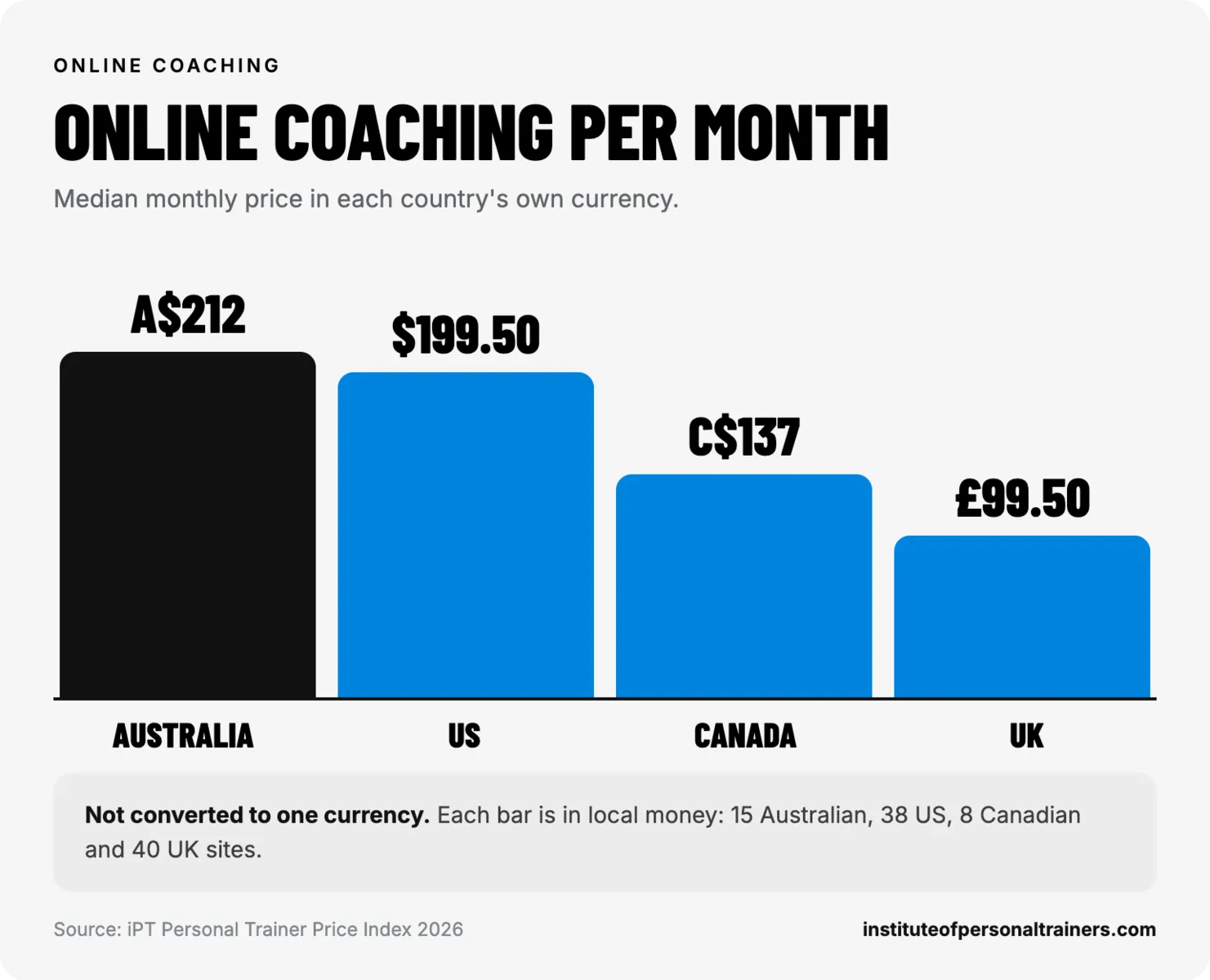
When you understand the typical benchmark rates in your area and your niche, you can position yourself more strategically. If you are just starting out, you might set your rate slightly below the midpoint of the survey data to attract your first clients. If you have a strong track record and a packed schedule, you might price yourself above the average. The key is to know where you stand relative to the market.
Balancing Hourly Rate With Session Packages
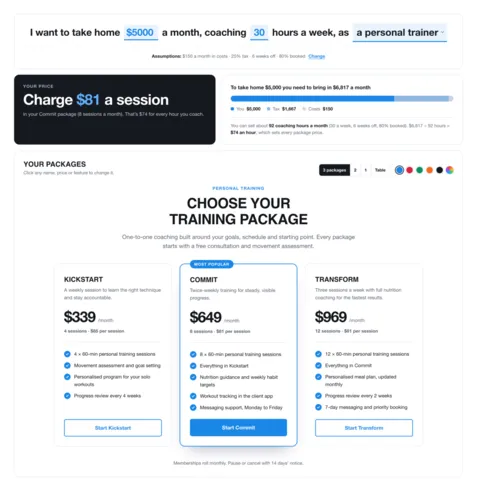
Many independent trainers charge by the session, often expressed as an hourly rate. This is straightforward for both you and the client. However, relying solely on a per-session price can create uncertainty for clients and irregular income for you. A common solution is to offer session packages. A client who buys a block of ten sessions, for instance, pays a lower per-session price than someone who buys one session at a time. This approach encourages commitment and improves client retention.
When you design session packages, think about what makes sense for your typical client. Some trainers offer a single-session rate, a five-session package, and a ten-session package. Others include small group training as a separate option, priced lower per person than one-on-one sessions but still profitable because you work with multiple clients at once. The variety in your offerings helps you appeal to different budgets and preferences.
Independent trainer pricing also involves decisions about online coaching. If you create training programs and check in with clients remotely, you might charge a monthly fee rather than a per-session rate. This can provide more predictable revenue and allow you to serve clients who cannot visit you in person. Tools like Trainerize software make it easier to deliver programming, track workouts, and communicate with clients, which can justify a premium for your online service.
Using Technology and Wearables to Support Your Rates
Wearable technology such as Polar and MyZone devices can add value to your training packages. Clients who use these devices can see real-time data on their heart rate, calories burned, and workout intensity. As a trainer, you can use that data to adjust workouts on the fly and show clients measurable progress. This kind of evidence-based coaching strengthens your value proposition and can support higher pricing.
When you integrate wearables into your training, you are not just selling a workout. You are selling accountability and data-driven results. Many clients are willing to pay more for a service that includes objective feedback and a clear record of improvement. If you offer small group training, having each client wear a device can help you monitor everyone at once and keep the group engaged.
The same principle applies to software that helps you manage your business. Using a platform like Trainerize not only streamlines your administrative work but also shows clients that you run a professional operation. That professionalism can be part of your pricing story, especially when you are competing against trainers who operate without any structure.
Setting a Cancellation Policy and Introductory Offers
Your cancellation policy is a direct part of your pricing. If you do not charge for missed sessions, you essentially offer free sessions to clients who cancel at the last minute. That eats into your effective hourly rate. Most independent trainers set a clear policy, such as requiring 24 hours’ notice or charging the full session fee for late cancellations. This protects your income and also encourages clients to respect your time.
Introductory offers can be a smart way to bring new clients through the door. A common approach is to offer a discounted first session or a free initial consultation. The goal is to give potential clients a low-risk way to experience your coaching style. Once they see the value, they are more likely to buy a session package. Just be careful not to make your introductory offer so cheap that it devalues your regular pricing. The offer should be a gateway, not a permanent discount.
How Market Positioning Shapes Your Rates
Your market positioning is the story you tell about who you serve and why you are different. A trainer who works exclusively with postpartum women has a different positioning than one who trains competitive athletes. That positioning affects what clients expect to pay and what they are willing to invest. If you position yourself as a specialist, you can often charge more than a generalist because clients perceive higher expertise and better results.
When you define your market positioning, consider your own strengths and the needs of the clients you enjoy working with. If you have experience with a particular population, such as older adults or people recovering from injury, emphasize that in your marketing. Clients who fit that profile will see you as the obvious choice and will be less likely to shop on price alone.
Independent trainer pricing is not just about picking a number. It is about communicating value. A client who understands what they get for their money, whether it is a personalized program, expert guidance, or access to technology, is more likely to see your rate as fair. This is where your value proposition comes into play. Your value proposition should be clear and specific, not a generic promise of fitness results.
Long-Term Considerations for Pricing Growth
As you gain experience and build a reputation, your pricing should evolve. What worked when you first started may no longer reflect your skills or your client base. Many trainers raise their rates once a year or whenever they add a new credential. The key is to do it thoughtfully and communicate the change to existing clients well in advance. A price increase can actually strengthen client retention if you explain the reasons, such as expanded knowledge or improved service.
Client retention is closely linked to pricing. If clients feel they are getting real value, they will stay even when rates go up. If your pricing is based on market data and your own expertise, you will have confidence in your rates, and that confidence will show in your interactions with clients.
Ultimately, independent trainer pricing is a blend of data, strategy, and personal judgment. By looking at benchmark rates from a pricing survey, understanding what your certifications and technology add, and crafting offerings that match your market positioning, you can set rates that are fair to you and attractive to the clients you want to serve.